




CV Examples FAQ
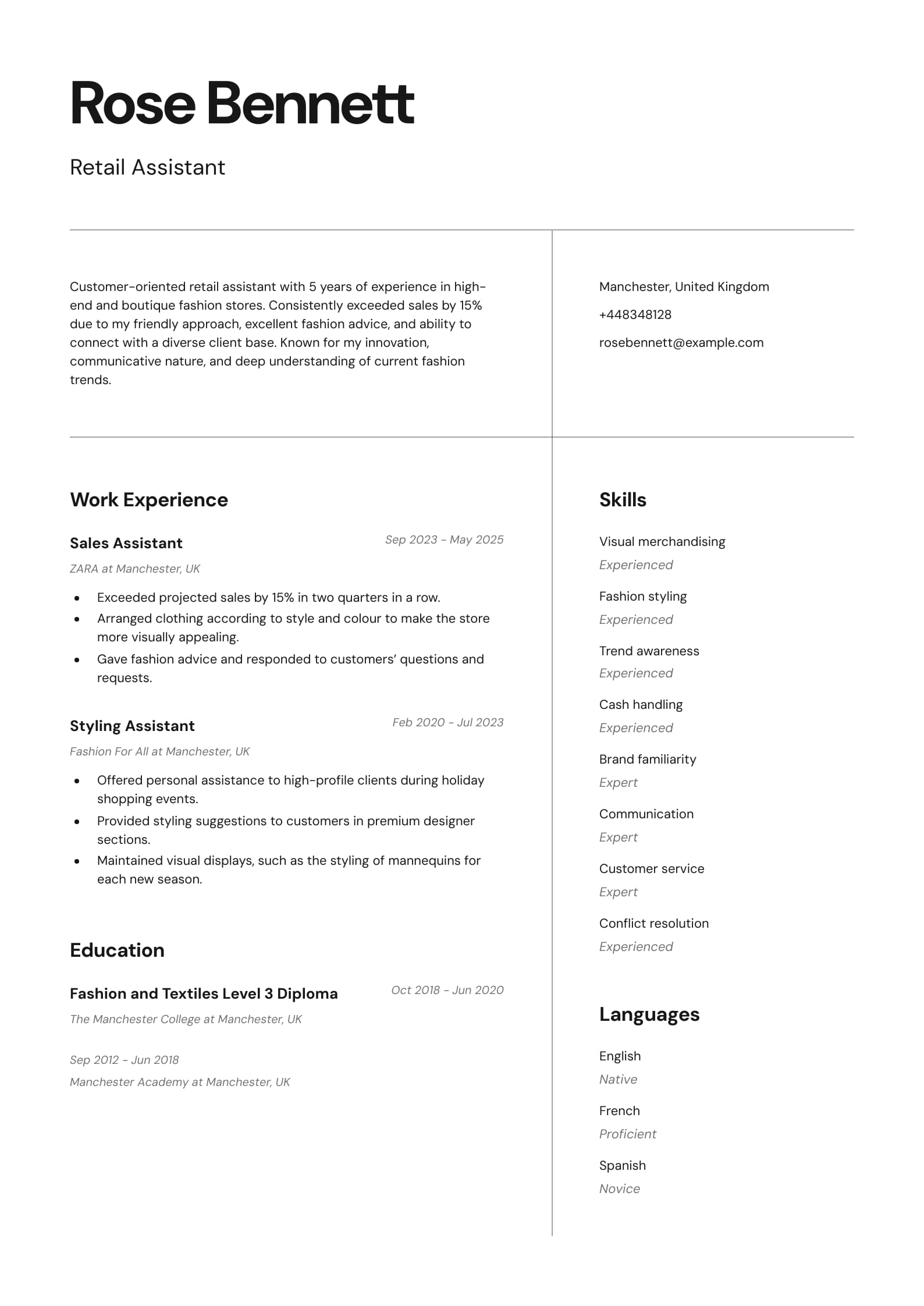
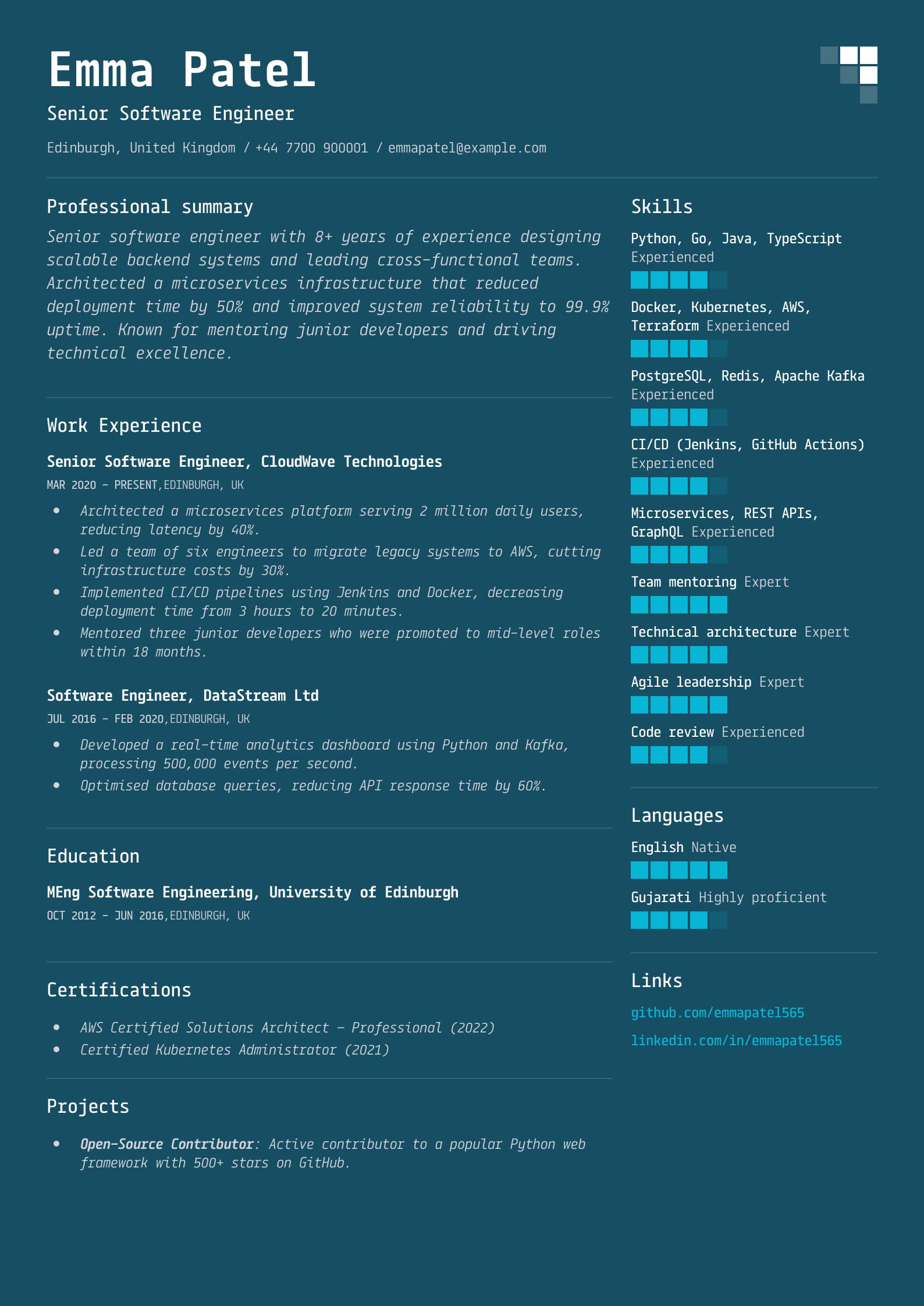
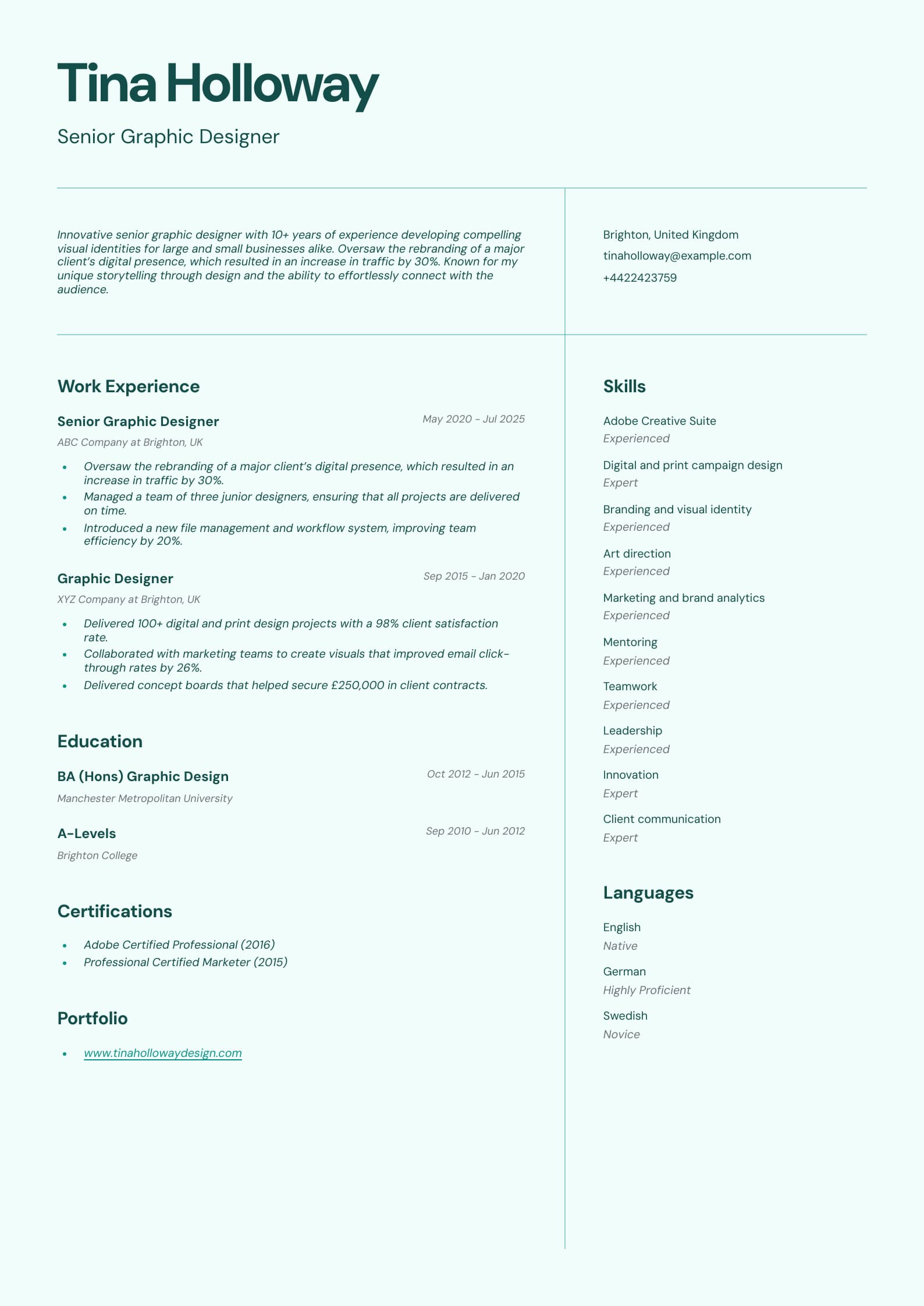
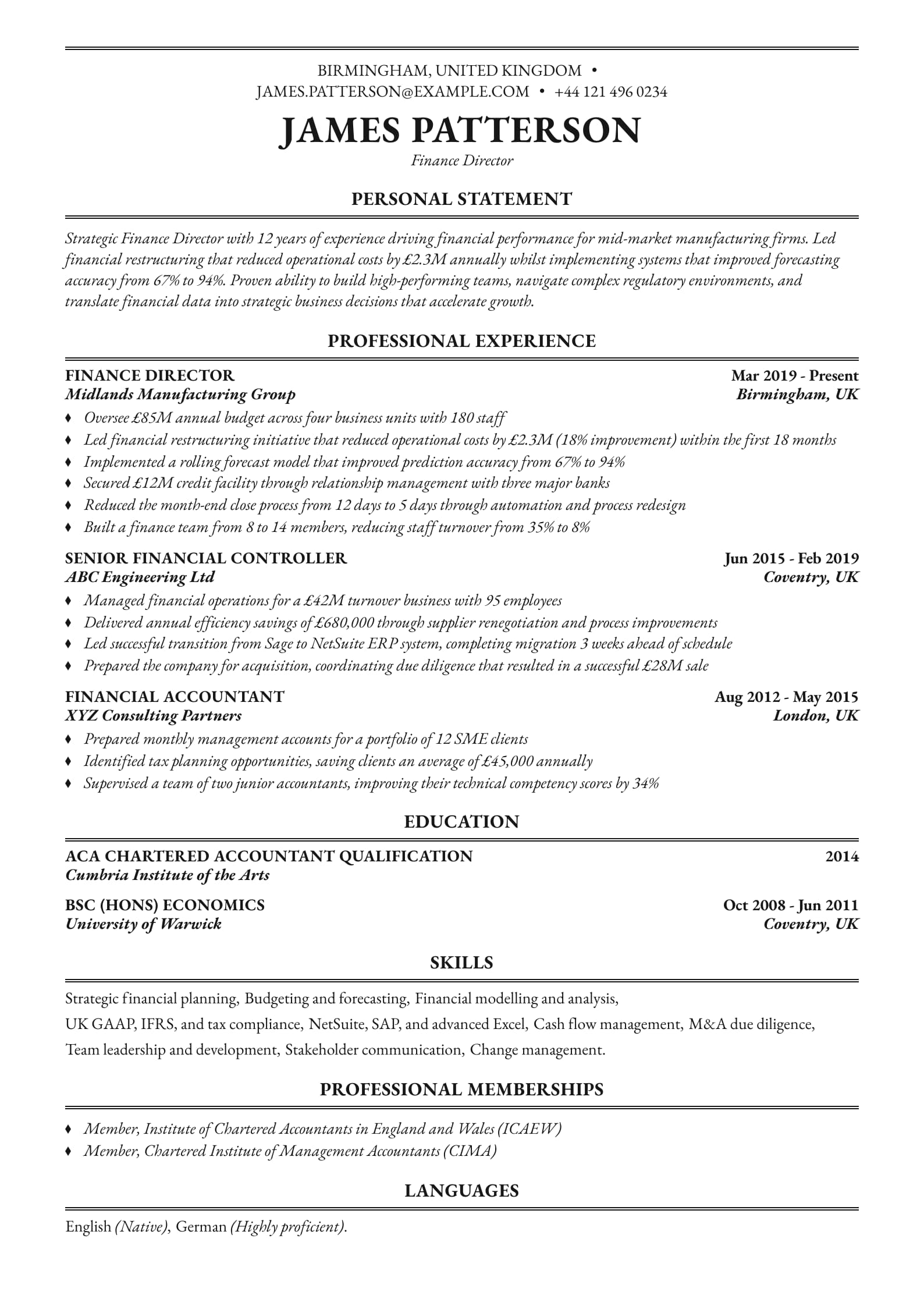
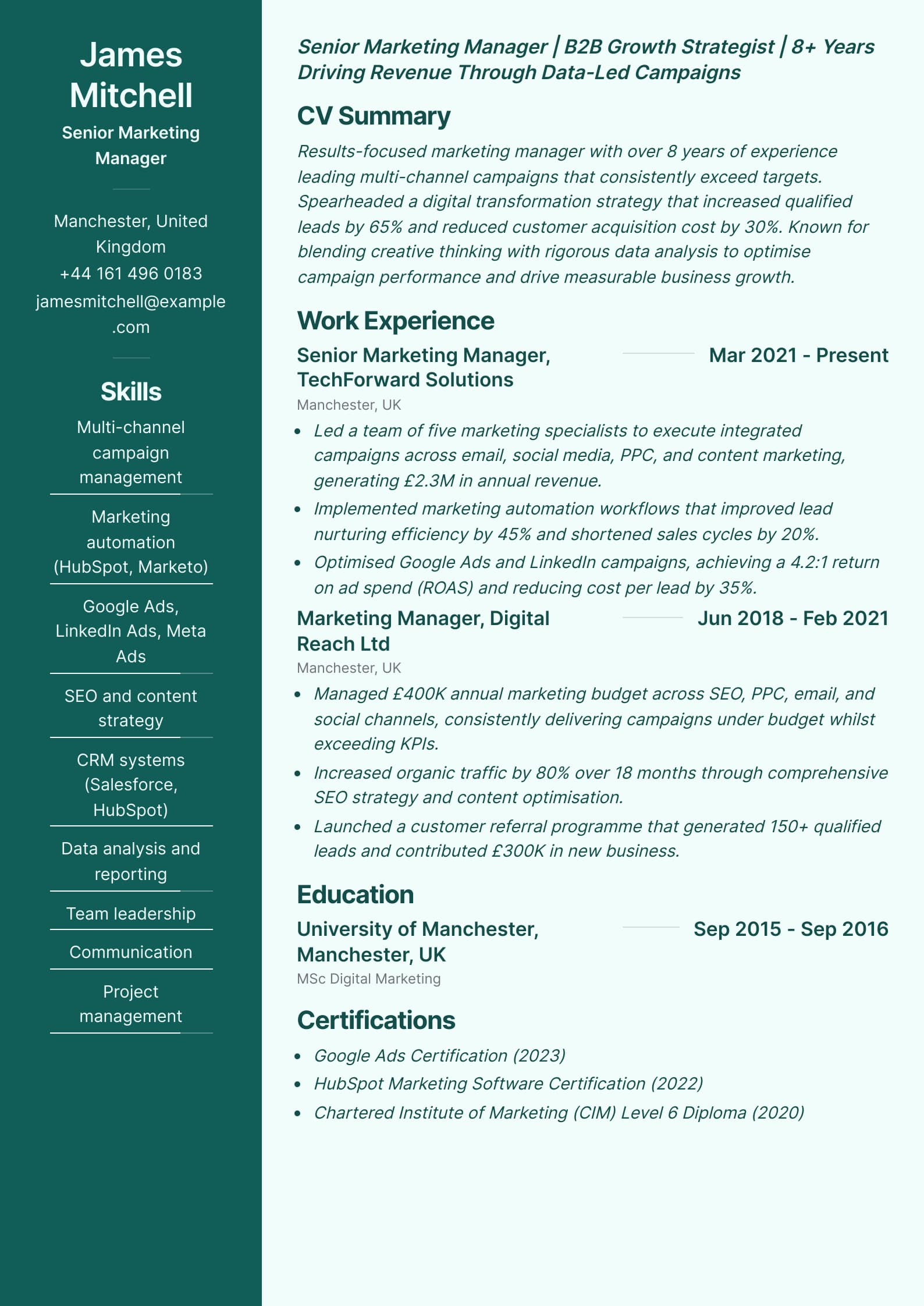
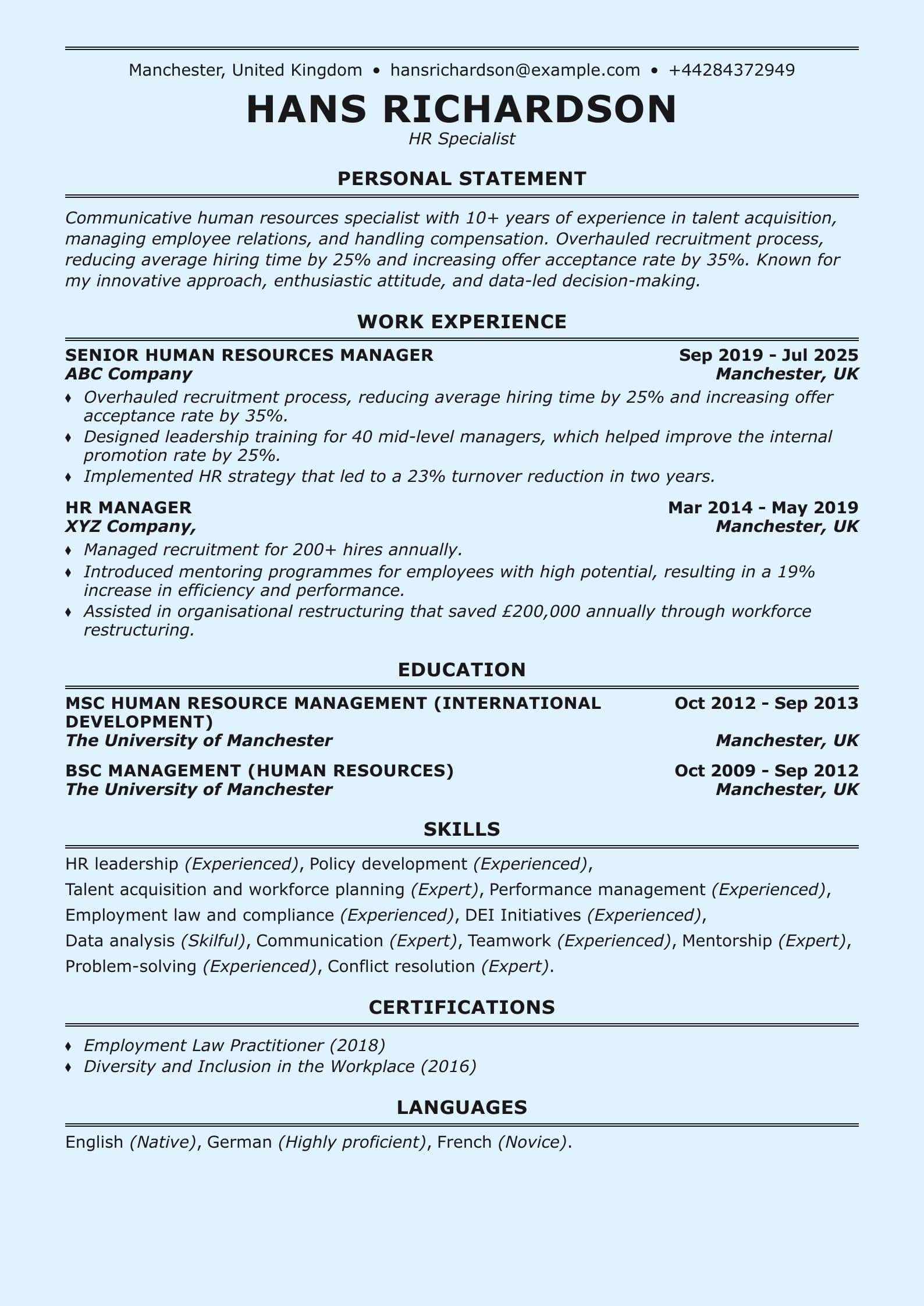
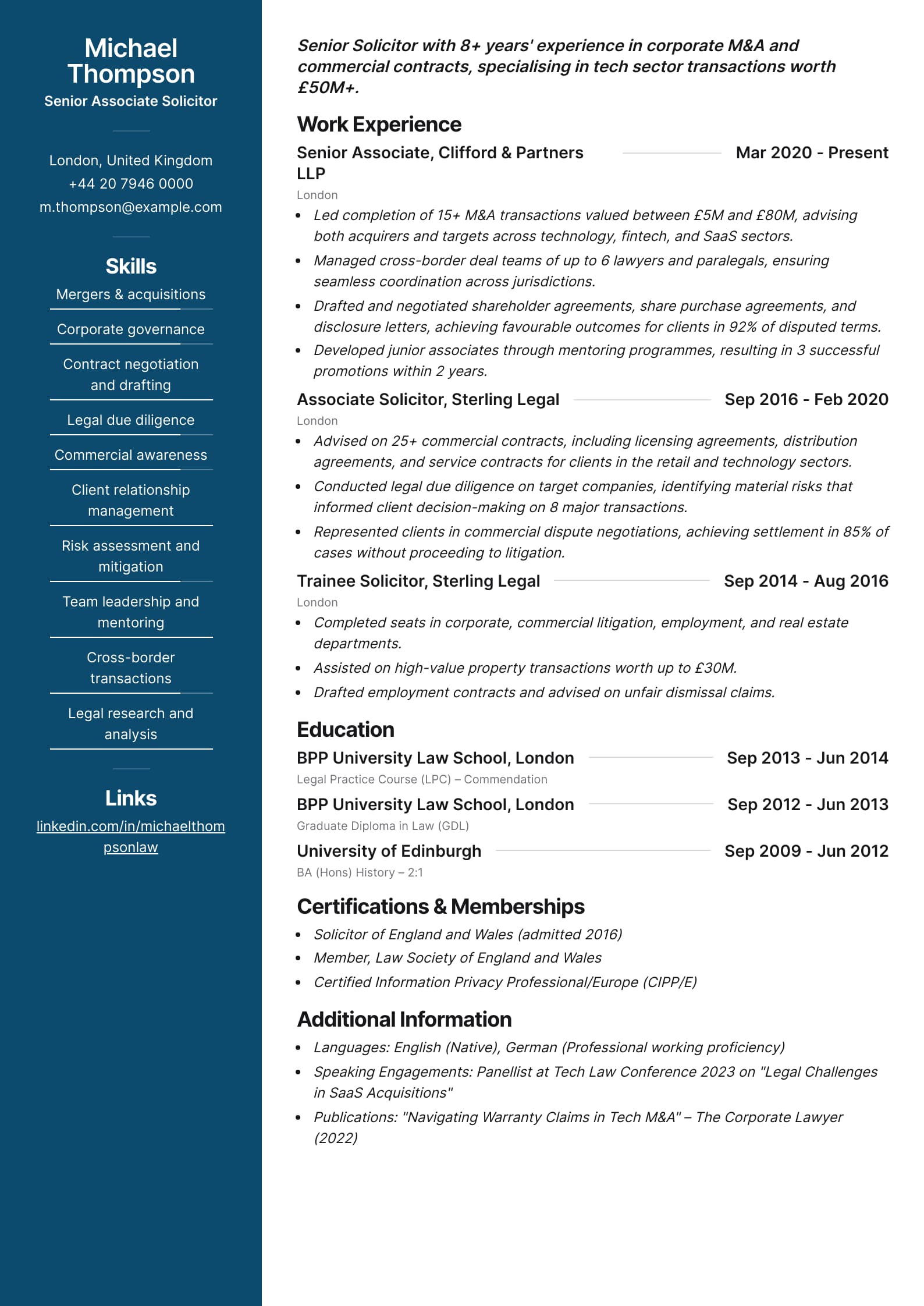
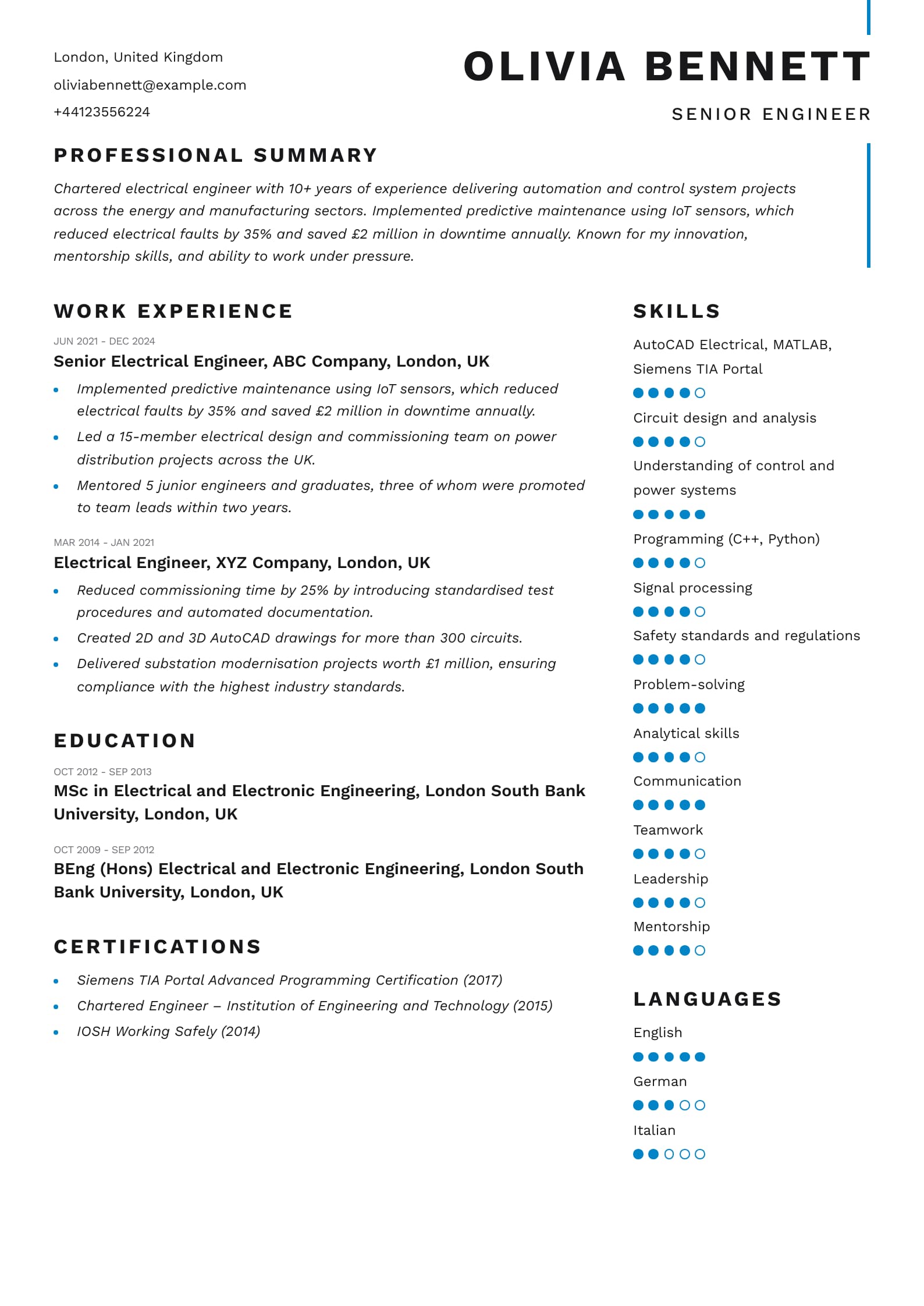
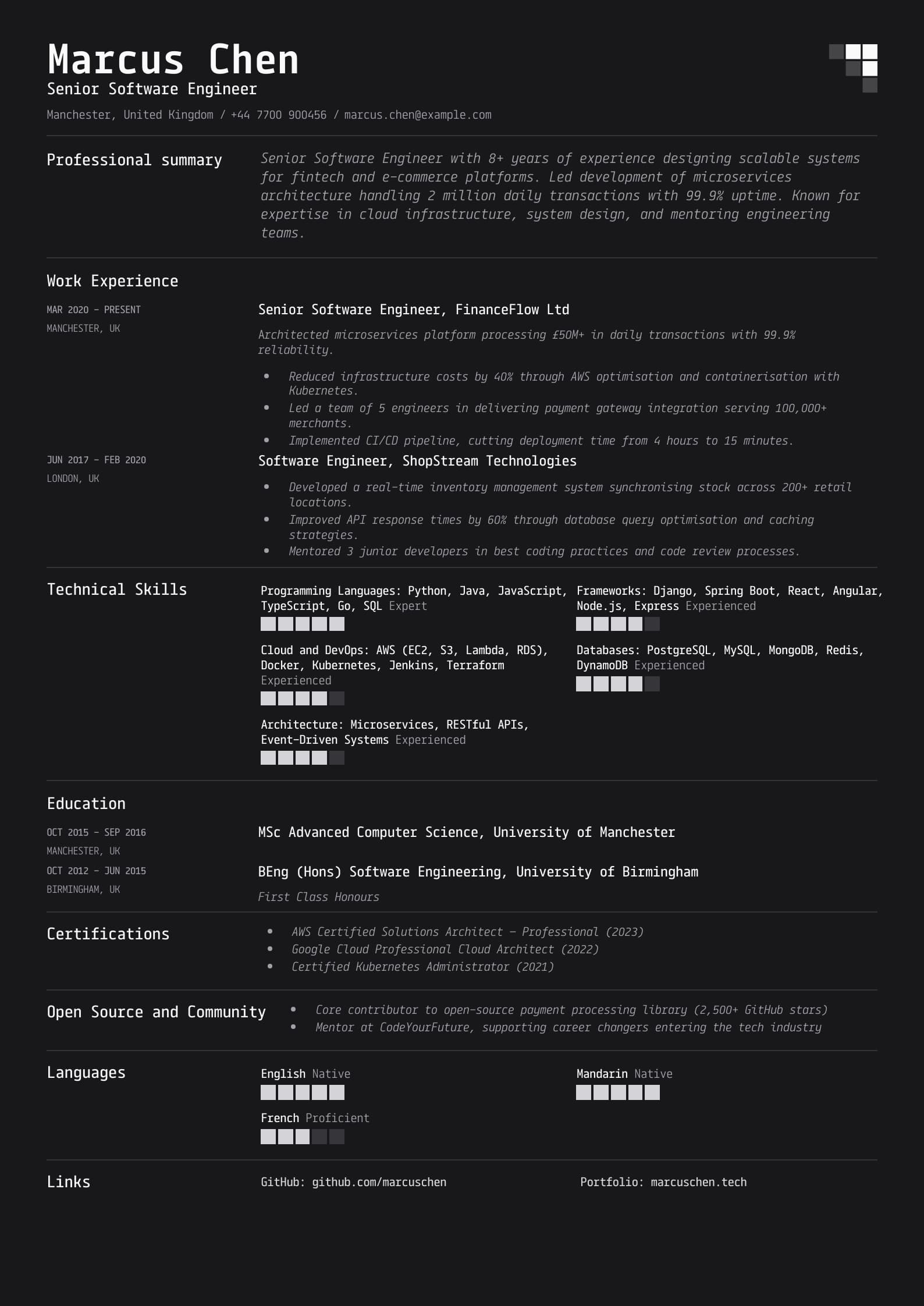
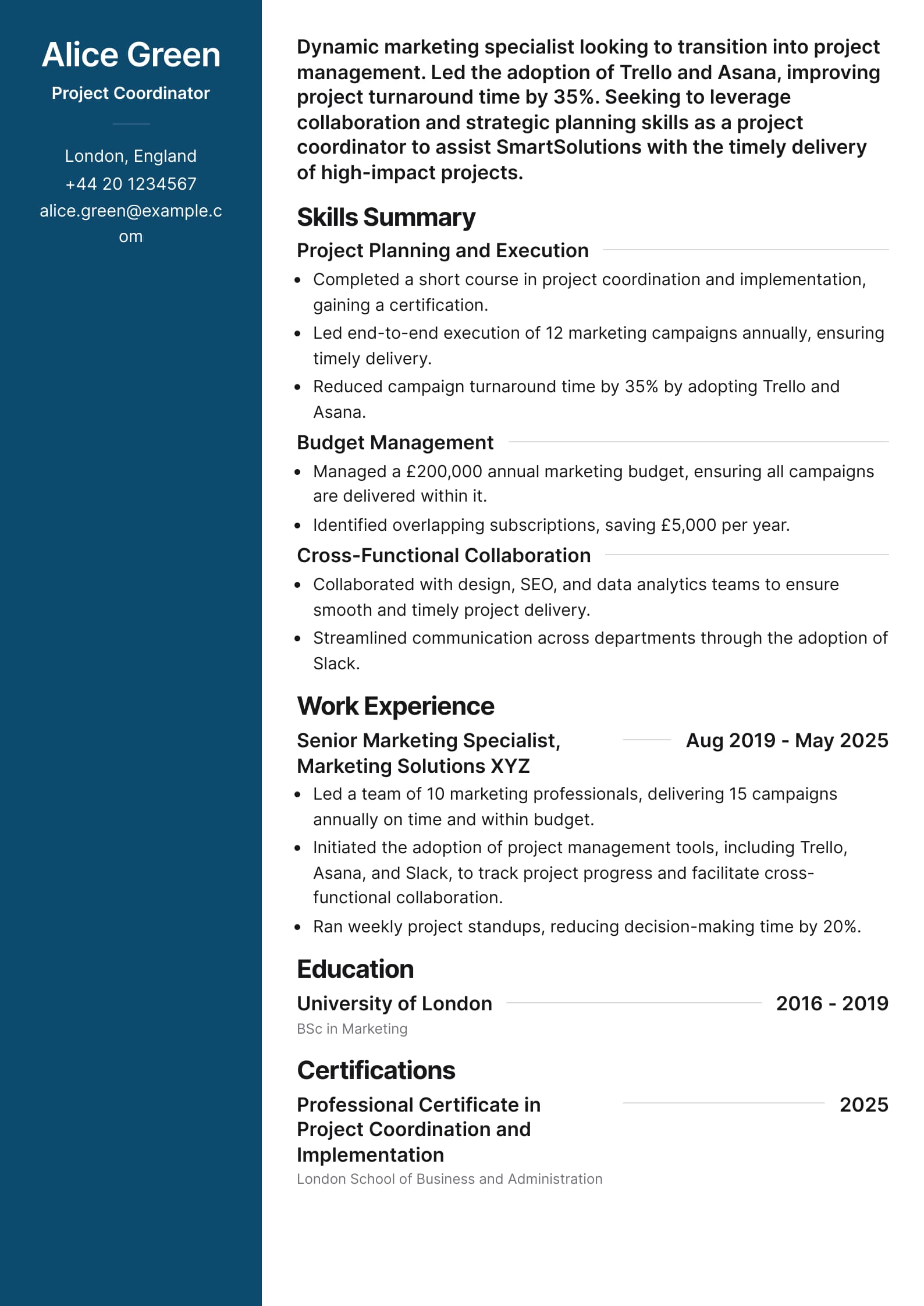
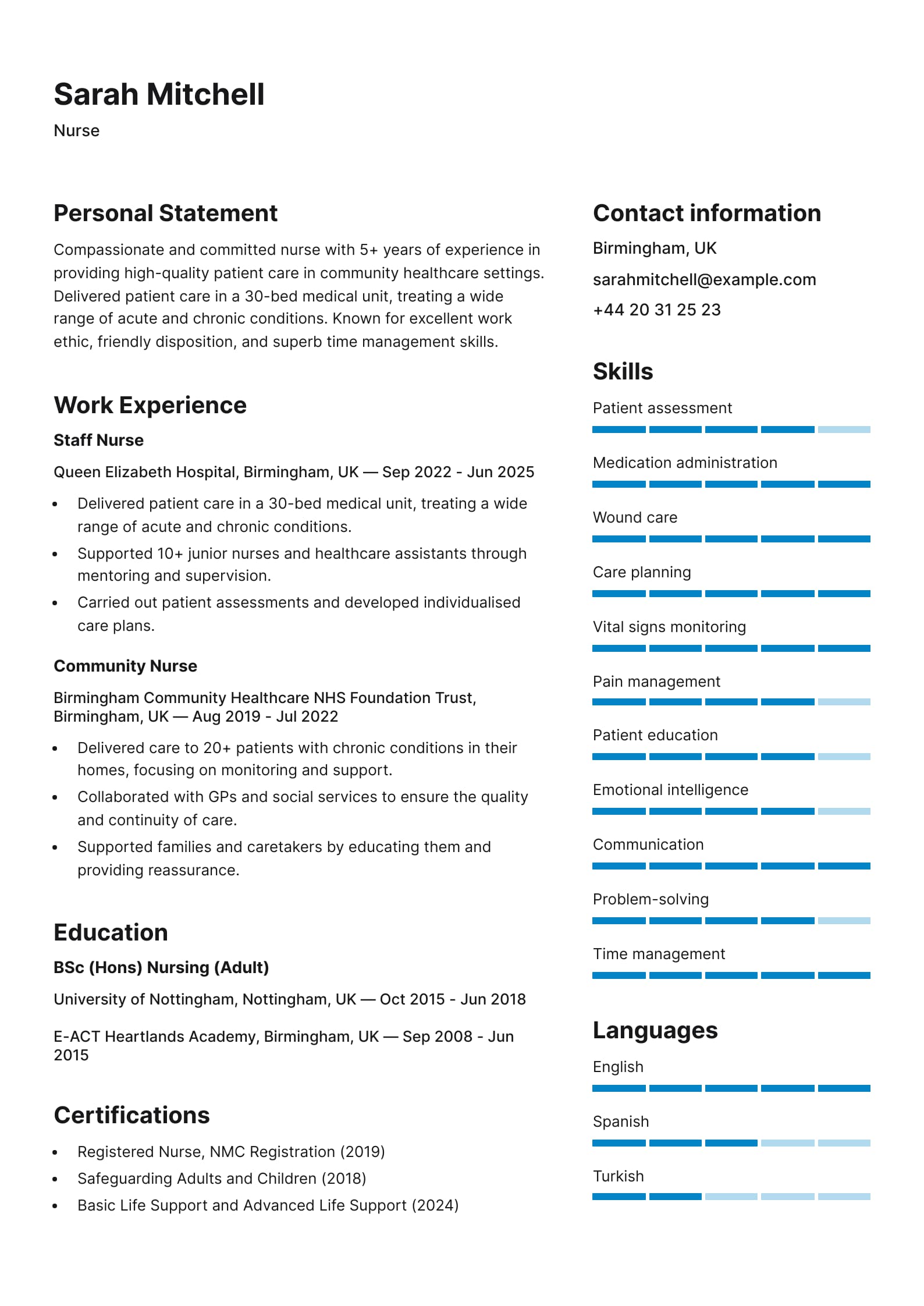
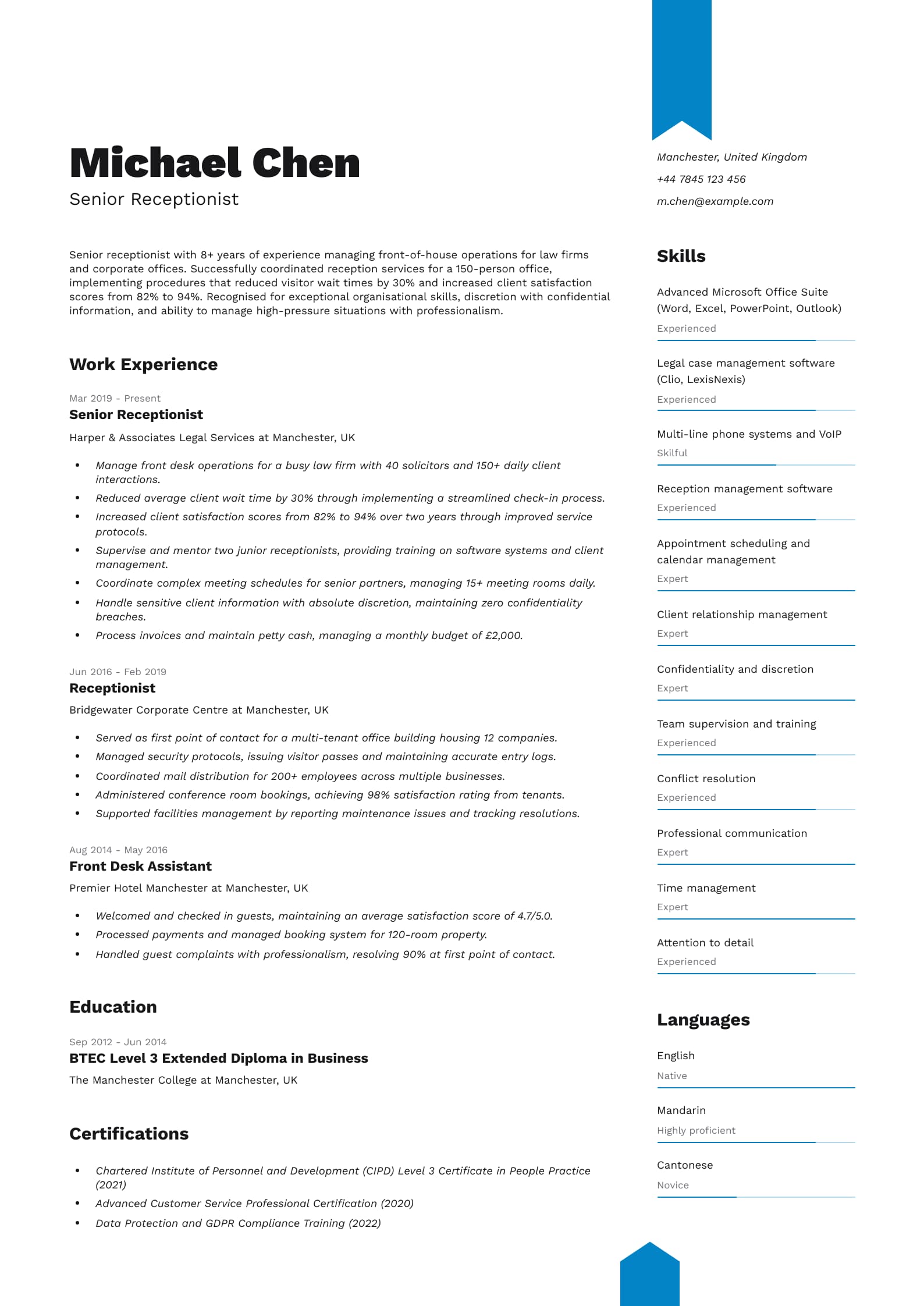
You can make changes to all of these editable CV examples — simply click on the one you want to use and choose to edit it. This will open our AI CV maker, which will help you create a perfect, customised document in a matter of minutes.
You can download a CV example by clicking the “Download” button once you’ve finished editing it. Keep in mind that you’ll need to subscribe to use this feature; otherwise, you can only share the CV directly with your employer using a link.
Your CV should be one or two pages long, containing only the essential information about your work experience, educational background, and skills. However, some positions require longer documents, so make sure to do your research before submitting the application.
It’s advisable to make a new CV for each job application to fit specific company requirements and improve your chances of landing an interview. Nevertheless, if you’re applying for academic roles, a single comprehensive CV should suffice.
Irrelevant or overly personal information shouldn’t be included in a CV, as employers don’t typically have time to sift through fluff. For instance, skills and hobbies that don’t add any value to your application should be omitted, as should your age and details about your marital status.
If you don’t have any experience, you can use a CV example for students or entry-level CV examples, which focus on educational background and skills instead of work history. Ultimately, it’s important to choose a resume that highlights your strengths enough to cover up for your weaknesses.
The best CV format is considered to be chronological, although this depends on your specific field and situation. For instance, if you have little experience or gaps in your employment history, this format may not paint you in the best light. In such cases, it’s better to use a different option.
A CV and a resume are synonymous in the UK and most European countries, though the term CV is far more common. However, they are very different in the US—a resume is a short document submitted to recruiters in the job hunting process, while a CV is lengthier and used for academic roles.
A good example of a CV personal statement is one that states how much experience you have in your field, what you’ve accomplished, and how you plan to contribute to your new company. It should be short and to the point, with measurable achievements placed front and center.
Yes, it’s generally advisable to include a cover letter with your CV when applying for jobs. A tailored cover letter allows you to highlight your most relevant experience, demonstrate your written communication skills, and explain your interest in the specific role and organisation.